The Ocean Cleanup: Taking Plastic Out of Rivers and the Sea
A look at The Ocean Cleanup’s river interceptors, ocean cleanup technology and 2026 plans, including Panama City — with a video of its Guatemala projects.
Read more →
Stay up to date on HERO news and articles, as well as other resources on climate change, the ocean and the rainforest.
A look at The Ocean Cleanup’s river interceptors, ocean cleanup technology and 2026 plans, including Panama City — with a video of its Guatemala projects.
Read more →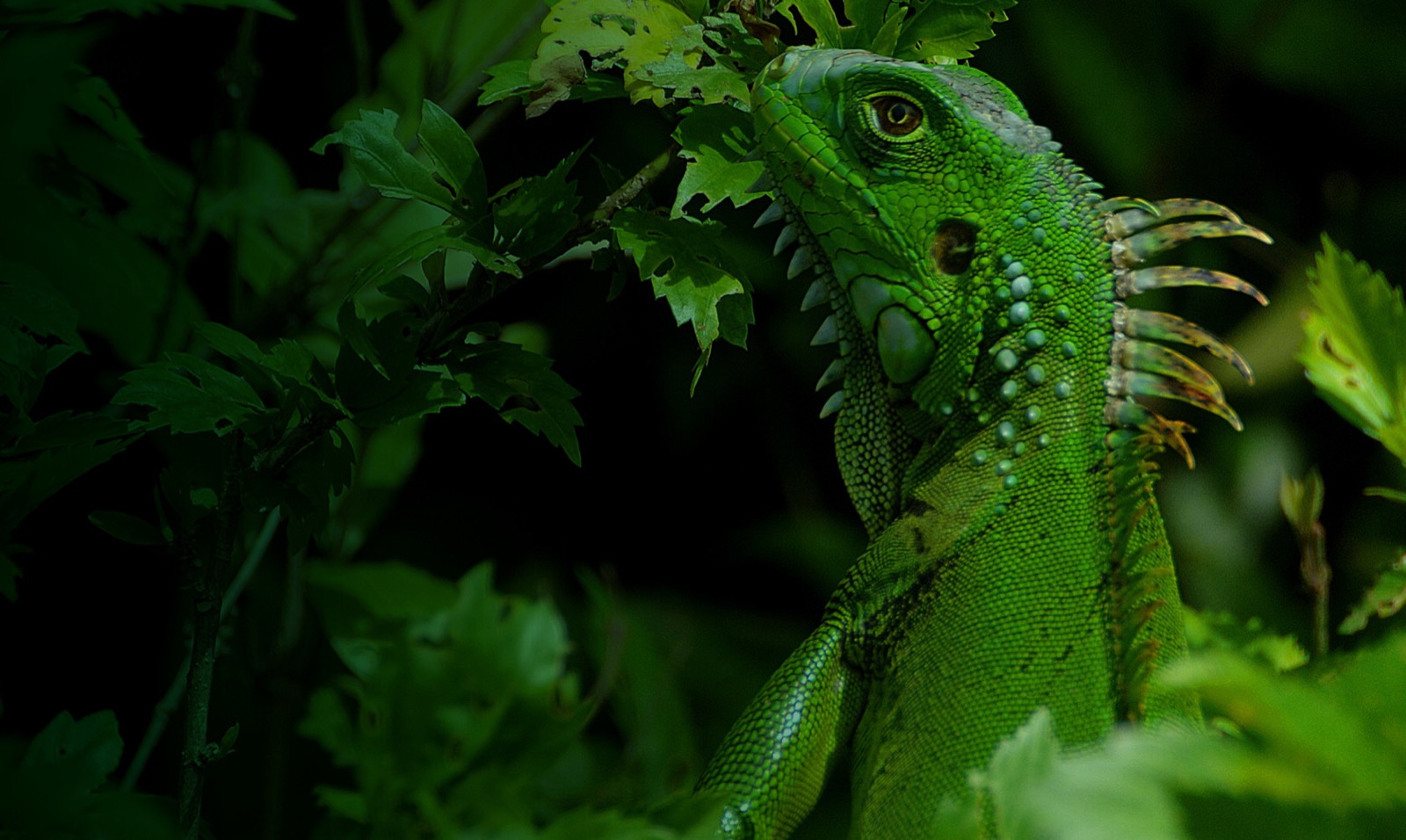
A study by more than 50 scientists finds the central-north Amazon — long thought resilient — now faces the fastest rise in extreme heat and water stress, threatening Indigenous territories and biodiversity.
Read the original ↗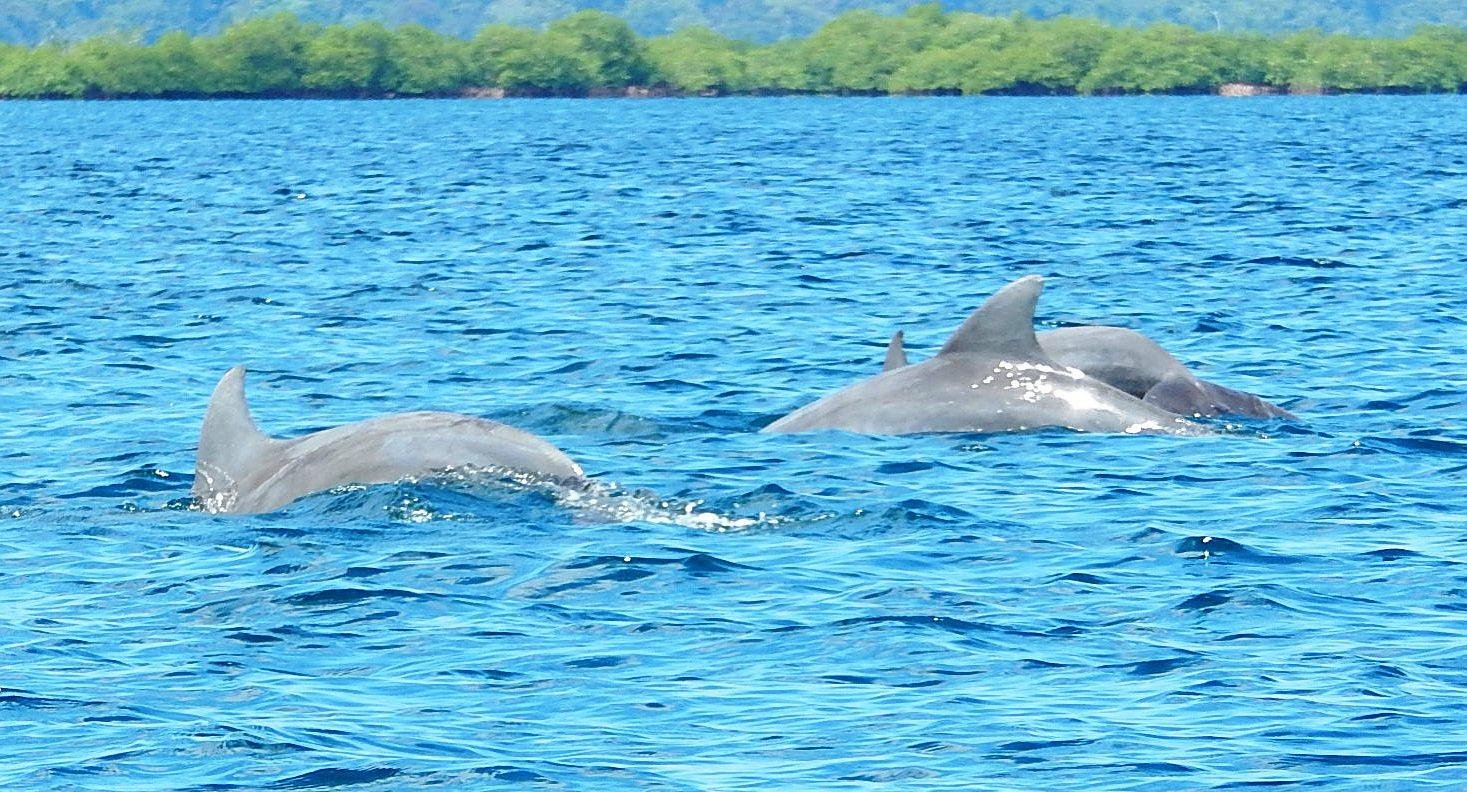
Coral bleaching on Panama's Pacific reefs is getting stronger and lasting longer, with the current El Niño bringing heat stress and color changes to coral species that had stayed stable for the past 15 years.
Read the original ↗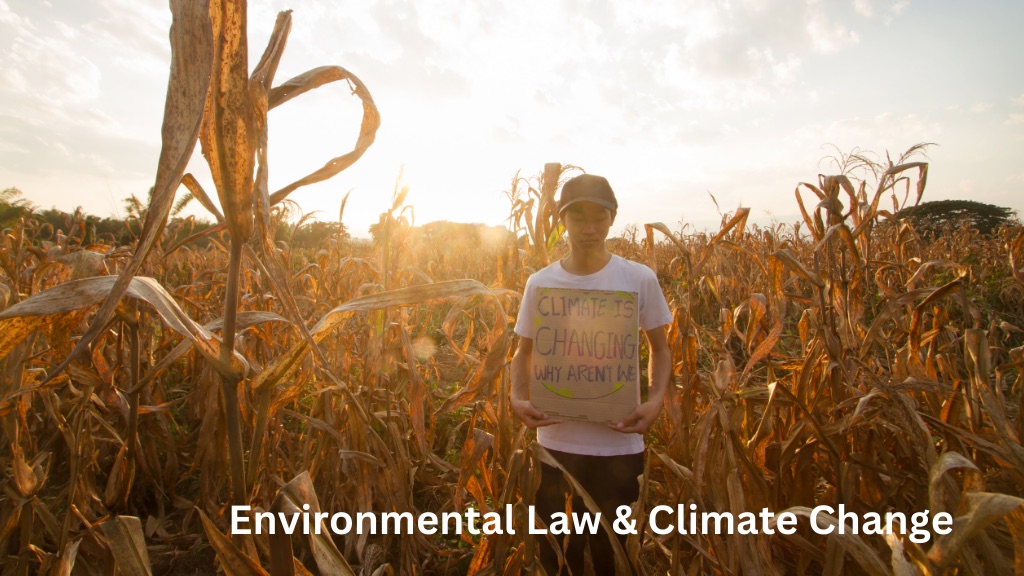
How environmental law provides the legal framework for addressing climate change — and where current laws fall short.
Read the original ↗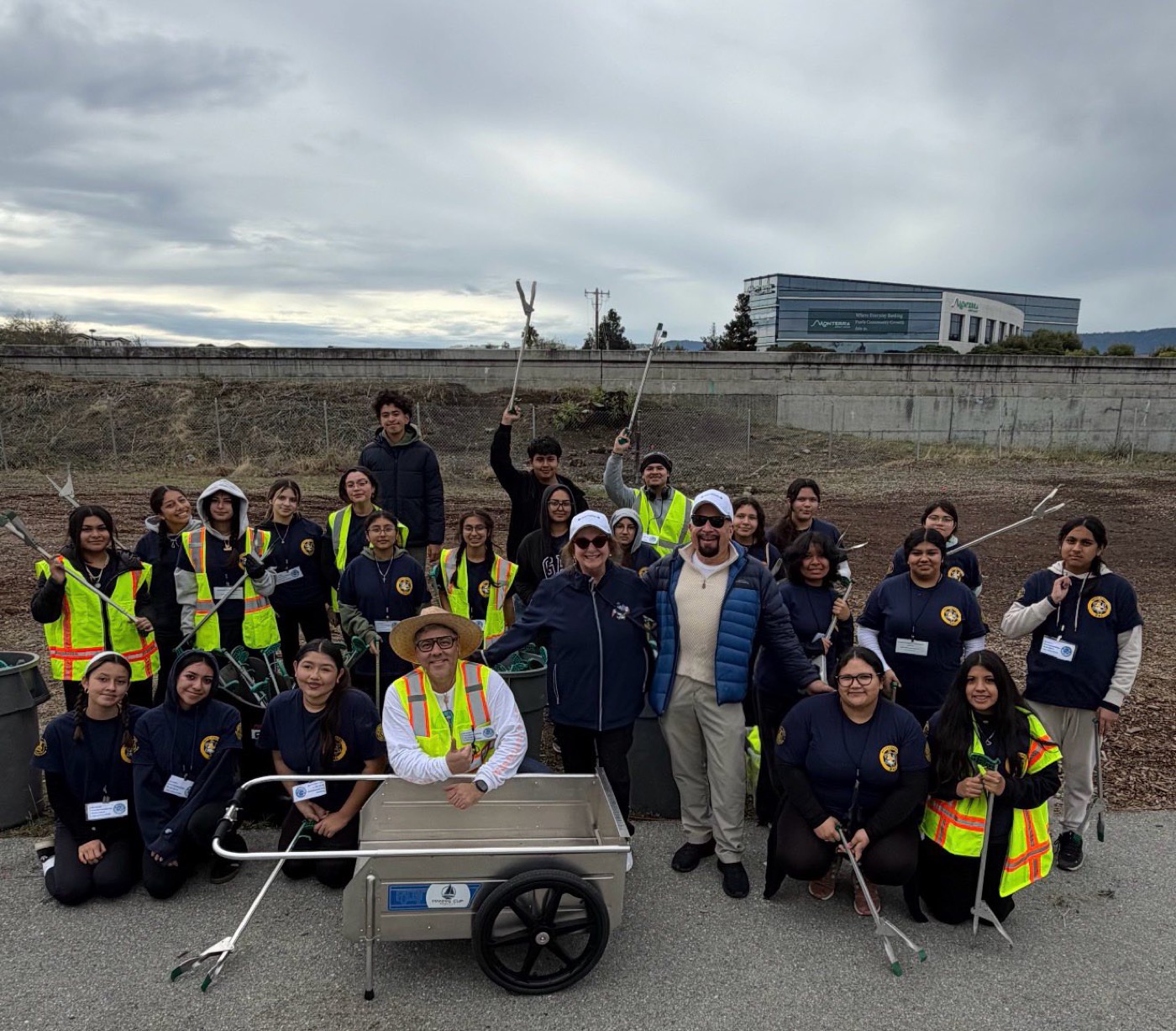
Volunteers from Redwood City and the Sheriff's Activity League collected bag after bag of debris along Redwood Creek — the shoreline cleanup promised in HERO's settlement with the City.
Read more →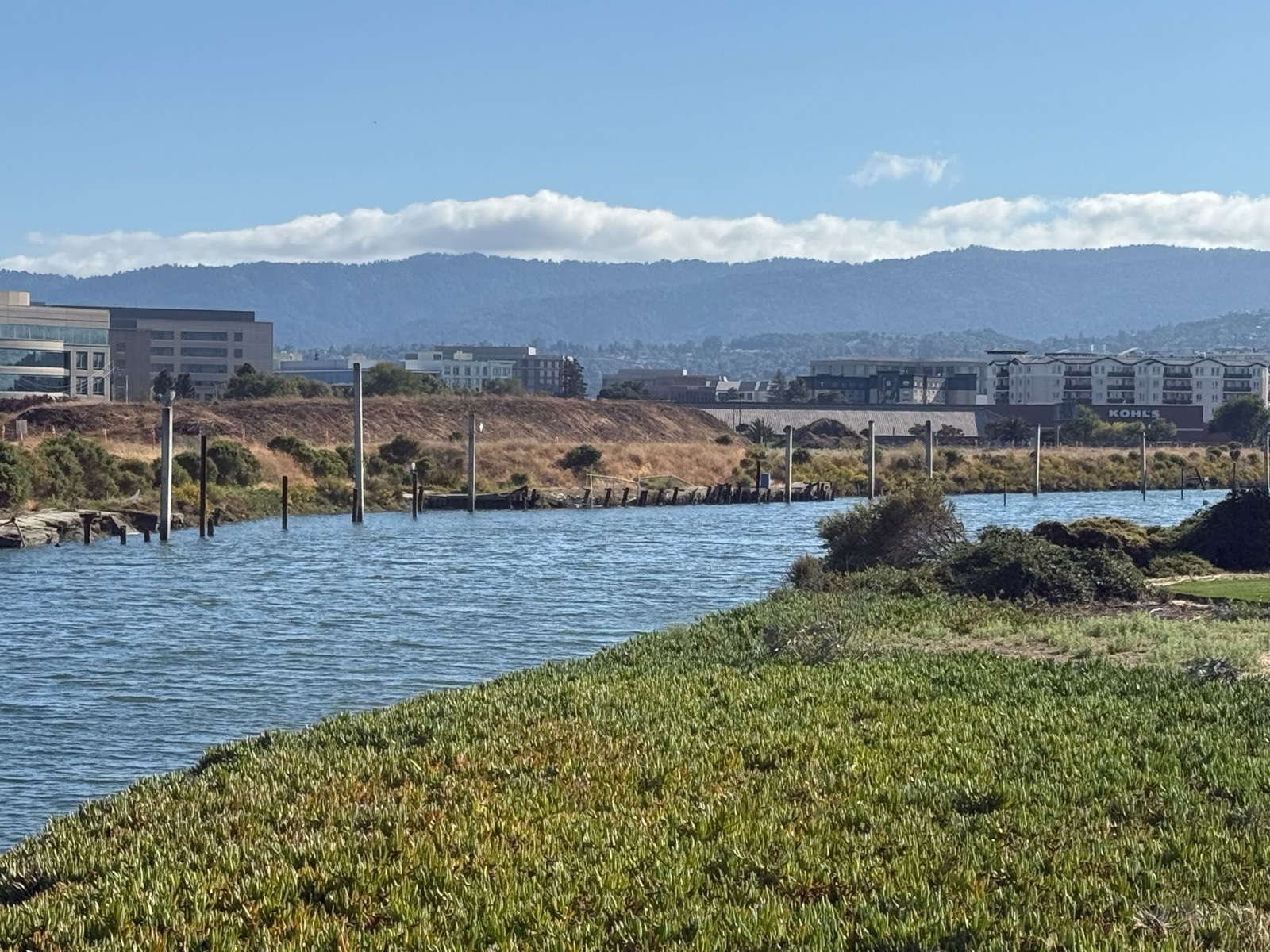
The settlement confirms the City ended residential use at Docktown and will plan future public uses of the site, including a public visioning process.
Read more →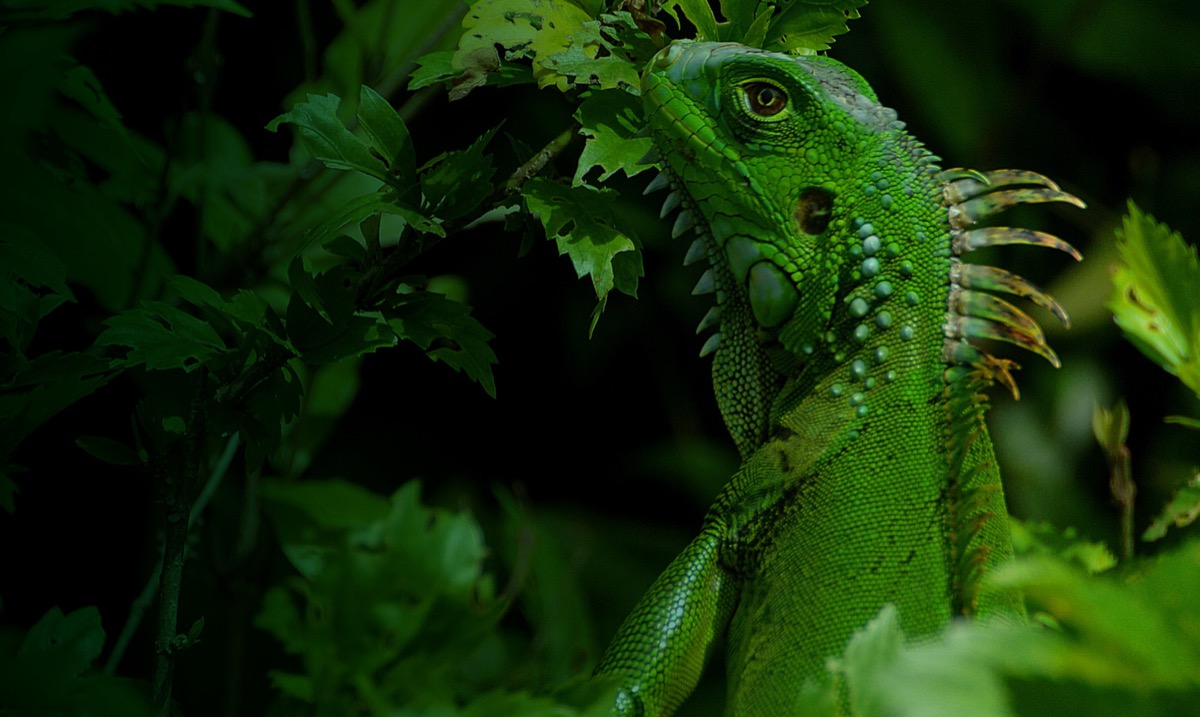
Smithsonian biologists were invited to Panama in 1910 during the construction of the Canal. As a narrow land bridge between two oceans and two continents, Panama's ecosystems promise to keep researchers busy for another hundred years.
Read the original ↗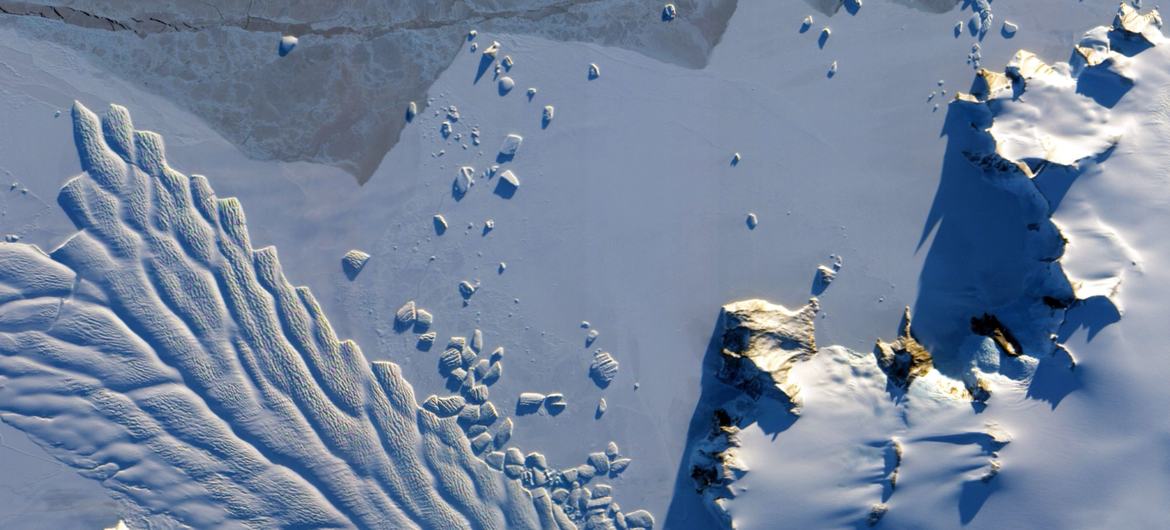
Glaciers lock up about 70 percent of the world's freshwater reserves. At current melt rates, many will not survive the 21st century, jeopardising hundreds of millions of people downstream.
Read the original ↗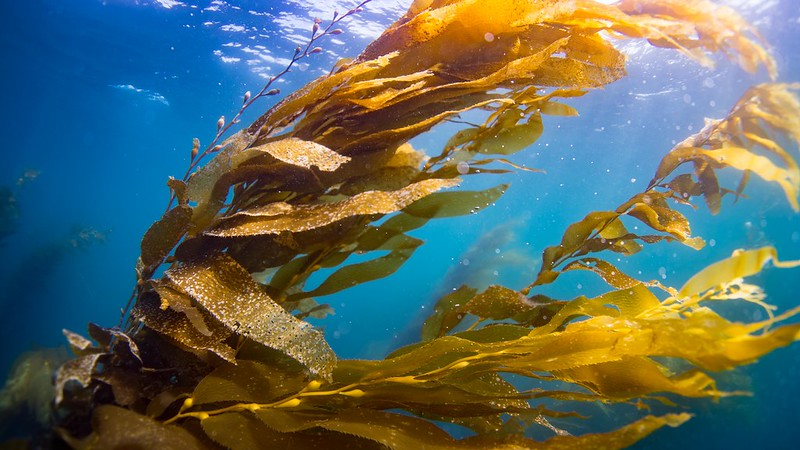
Beginning in 2014, a marine heat wave known as “the Blob” wiped out much of California's kelp forests. Scientists are now working out where and how restoration can succeed.
Read the original ↗Machine learning and data visualization are helping researchers understand the most challenging components of climate change.
Read more ↗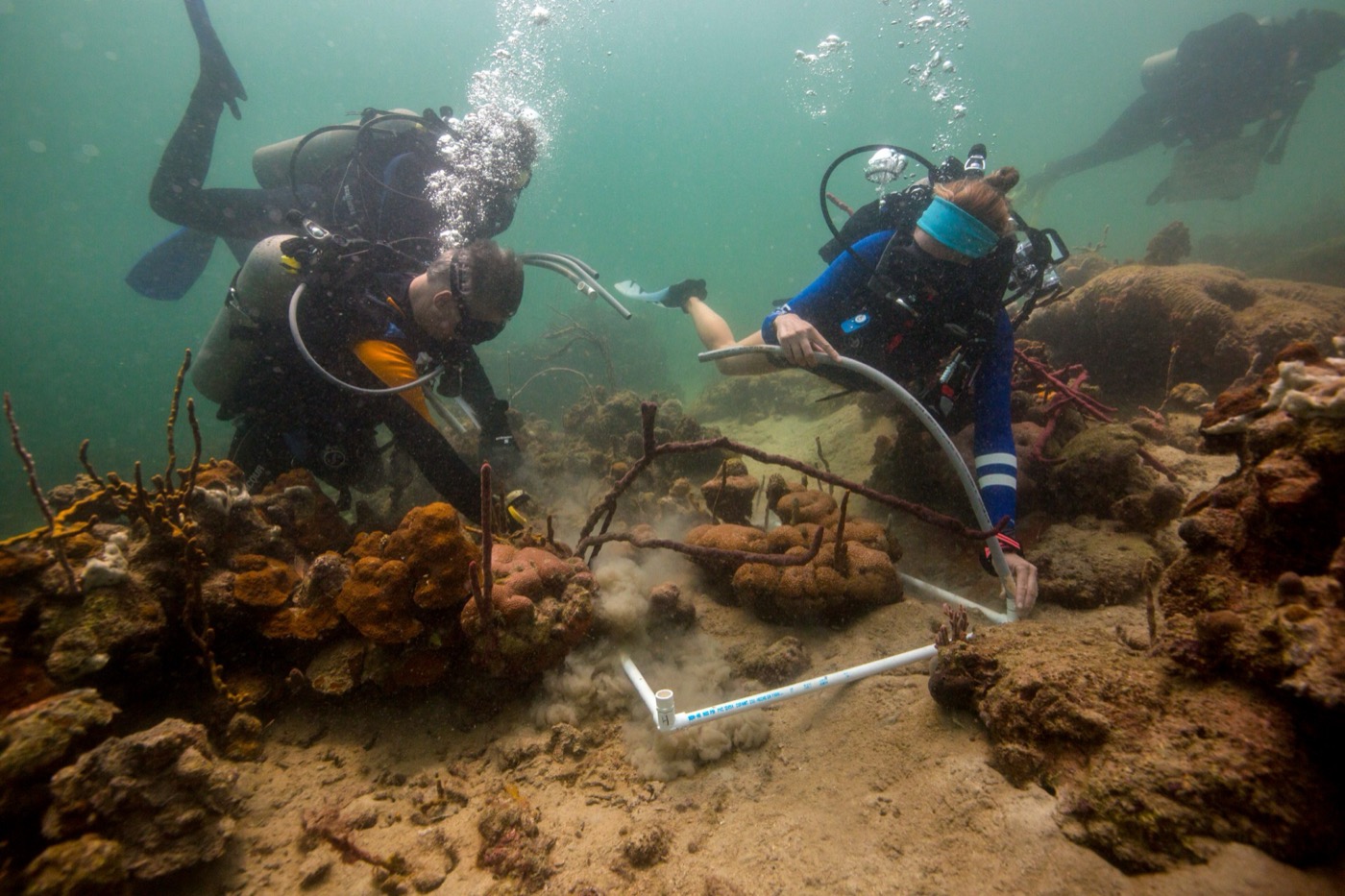
Ocean acidification is the world's biggest chemistry experiment — and rapid increases in acidity put reef-building coralline algae in a growth predicament, Smithsonian research shows.
Read the original ↗
Daily live-animal presentations bring rainforest species — tarantulas, water dragons, tortoises — face to face with visitors of all ages.
Read the original ↗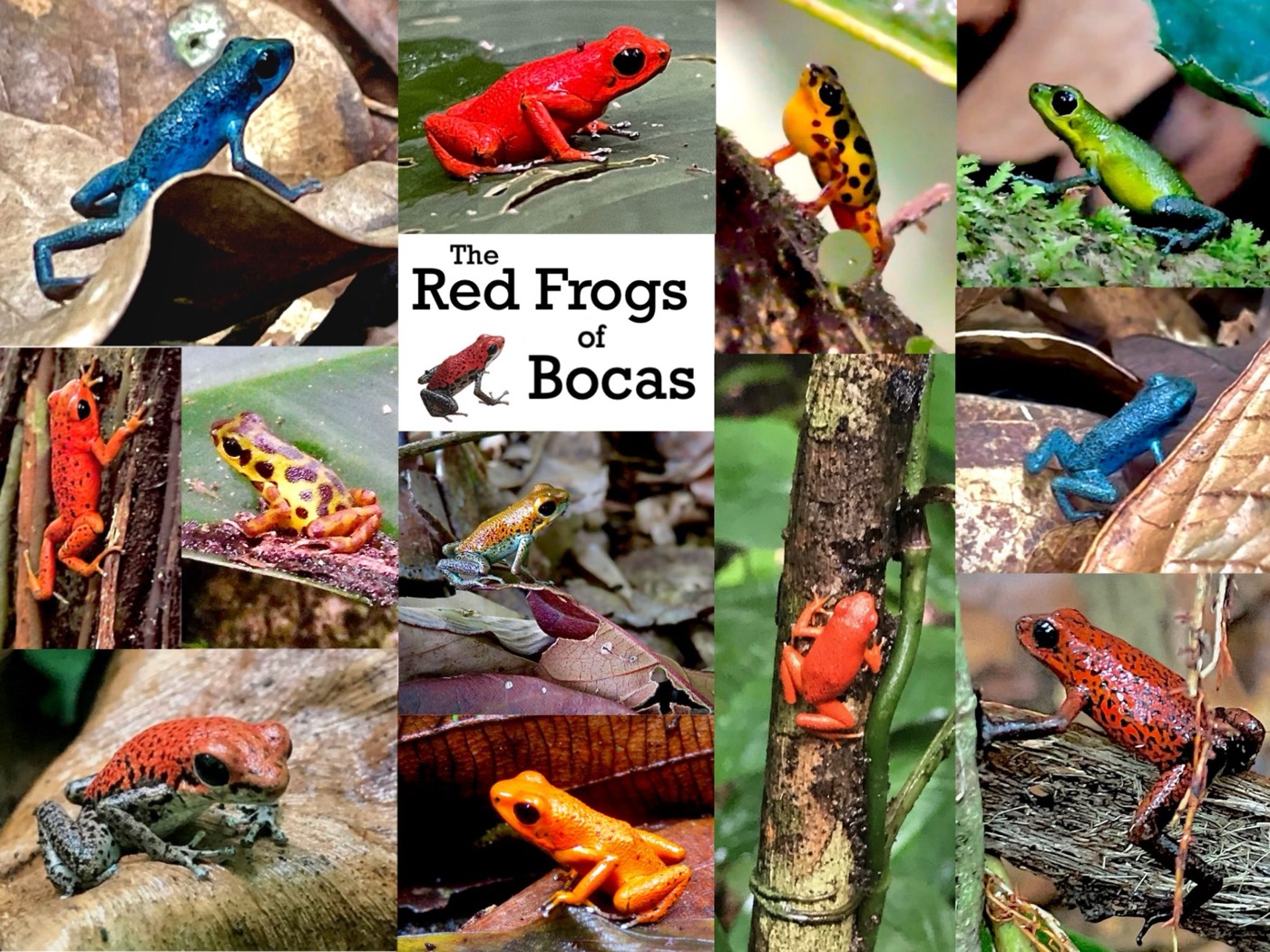
The tiny, brilliantly colored poison dart frogs of Bocas del Toro — and why their confidence in the rainforest is well earned.
Read the original ↗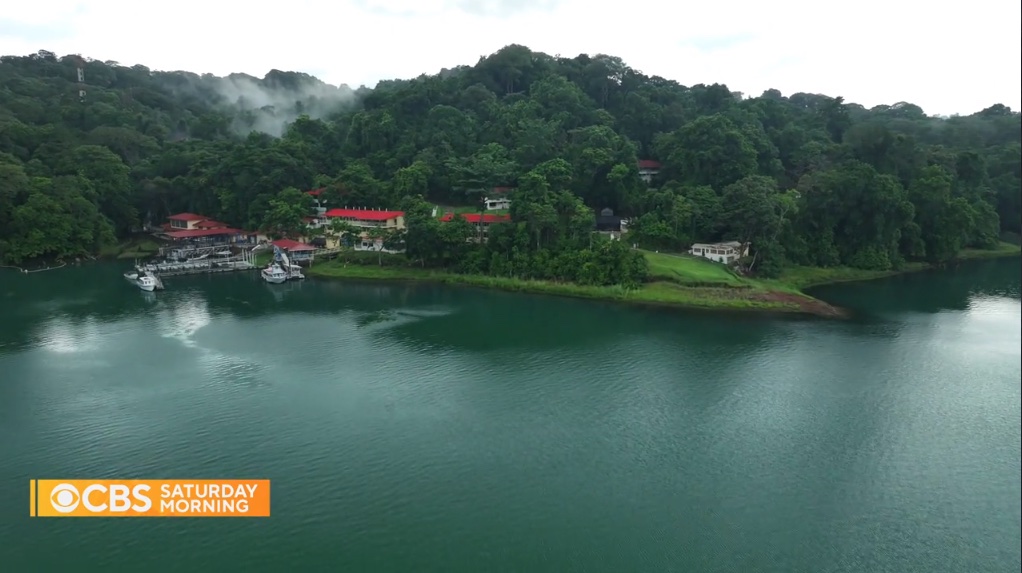
Located in Panama, the Tropical Research Institute is a unique scientific outpost in one of the busiest waterways in the world. CBS News' Ben Tracy reports.
Read the original ↗
Much of the seafood we eat is dangerously polluted, and over 3 billion people rely on fish as a major source of protein. A report on contamination and what it means for fisheries.
Read the original ↗A Smithsonian explainer on what drives climate change and what to expect.
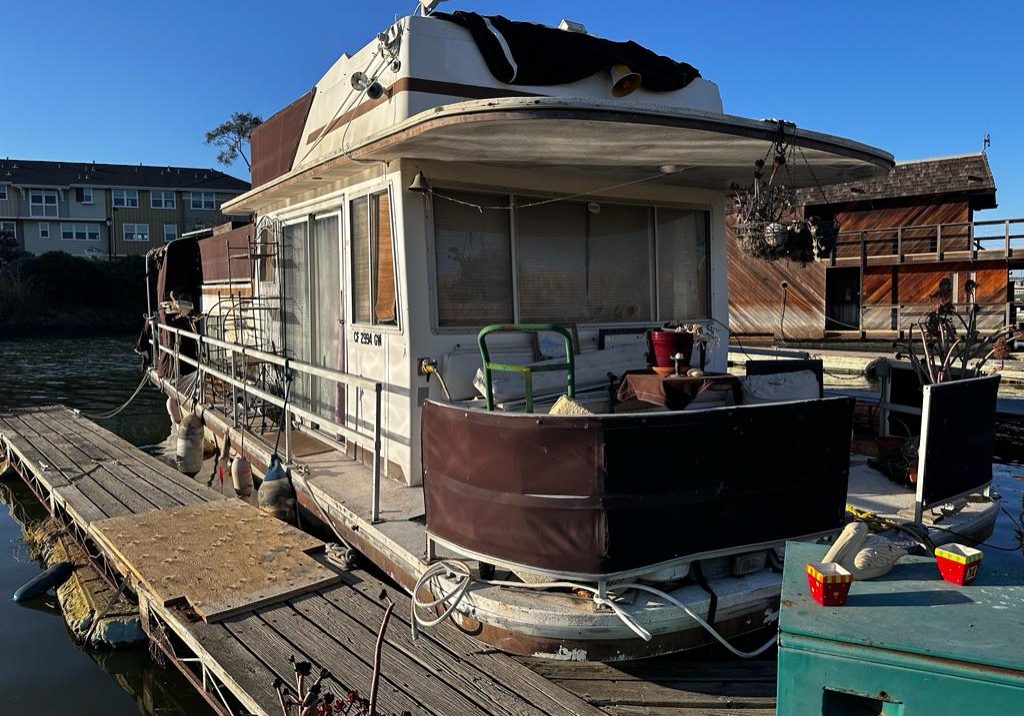
HERO's suit alleged the marina was an environmental hazard and that the City had not honored its 2016 settlement to clean it up.
Read the original ↗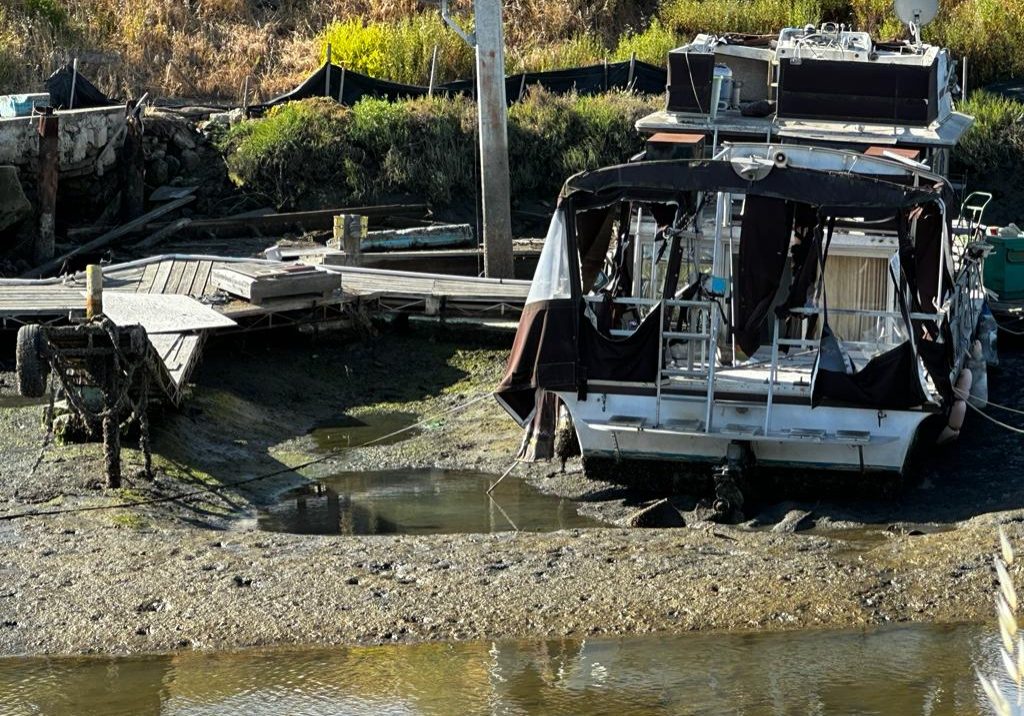
Coverage of the lawsuit HERO filed in San Mateo County Superior Court over conditions at Docktown.
Read the original ↗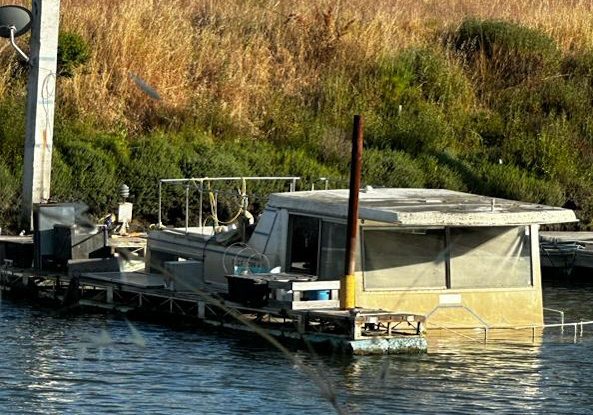
The 2016 settlement that set aside $3 million to clean up the marina and relocate liveaboards — the agreement HERO later went to court to enforce.
Read the original ↗How artificial intelligence is helping scientists listen to — and begin to answer — the voices of other species.
Read more ↗Research, reporting or a report of your own that touches rivers, reefs, rainforests or marine justice — send it to us.
It turns out that everyone needs a HERO — even our environment. Every gift supports research, rainforest protection, marine justice, and free resources for students.
Donate today