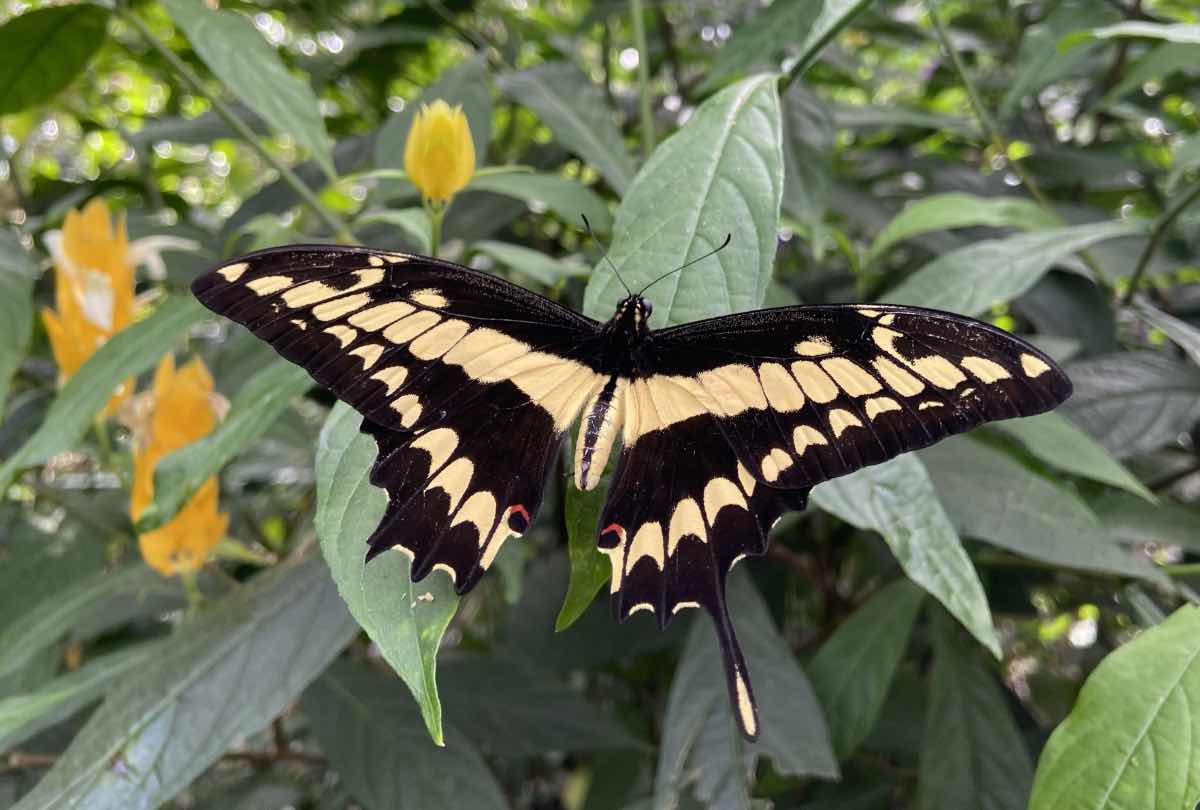
Rainforest
A forest is part of the watershed.
Trees, soils and rainfall connect life on land with coastal water. Observe habitat carefully, and distinguish what you see from what you infer.
Explore this topic →
Your river, shoreline, school garden or neighborhood can be a place to start learning about the Earth.
Trees, soils and rainfall connect life on land with coastal water. Observe habitat carefully, and distinguish what you see from what you infer.
Explore this topic →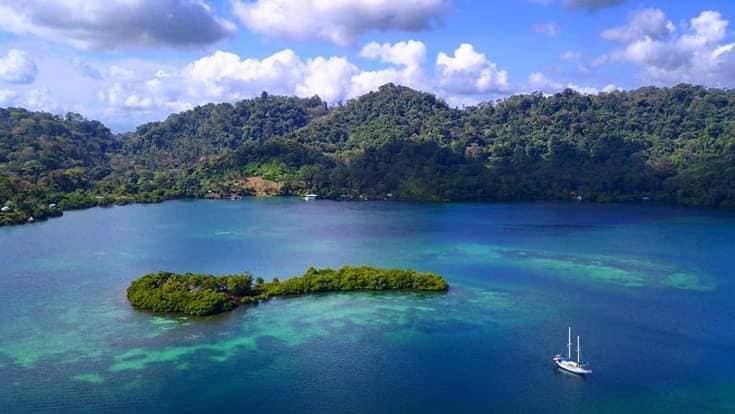
Reef-building corals live with tiny algae that help provide food. Heat and other stress can disrupt that relationship and cause bleaching.
Explore this topic →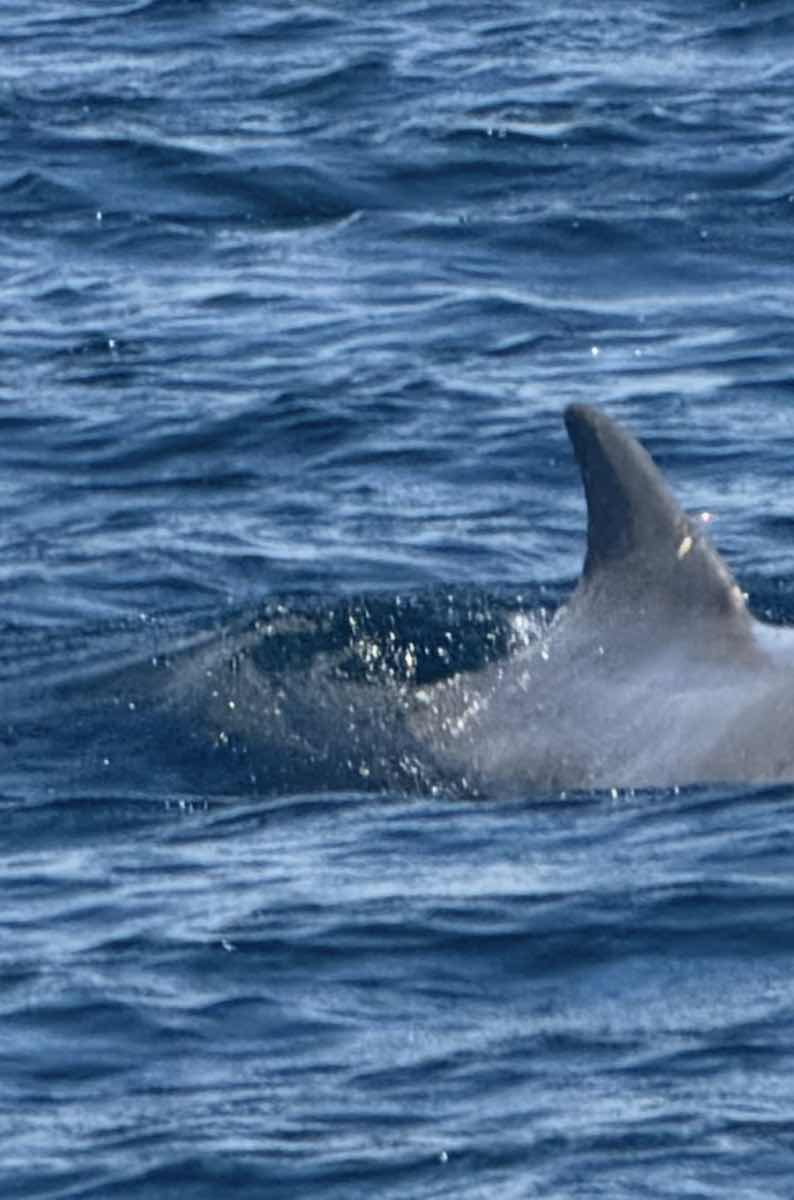
Tour boats can change the behavior of Bocas del Toro's resident dolphins. Research helps us ask how tourism could reduce disturbance.
Explore this topic →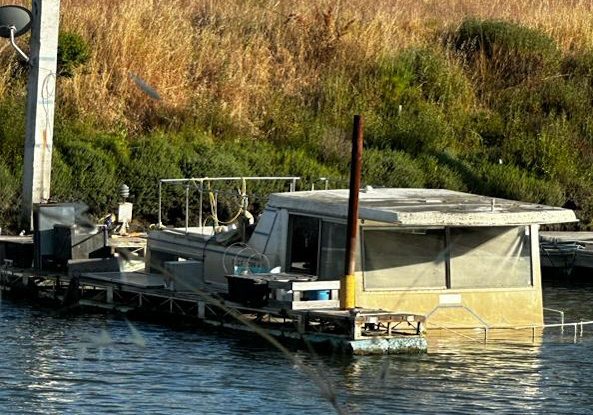
Litter and runoff can travel beyond where they begin. Investigate a local problem before deciding what would help.
Explore this topic →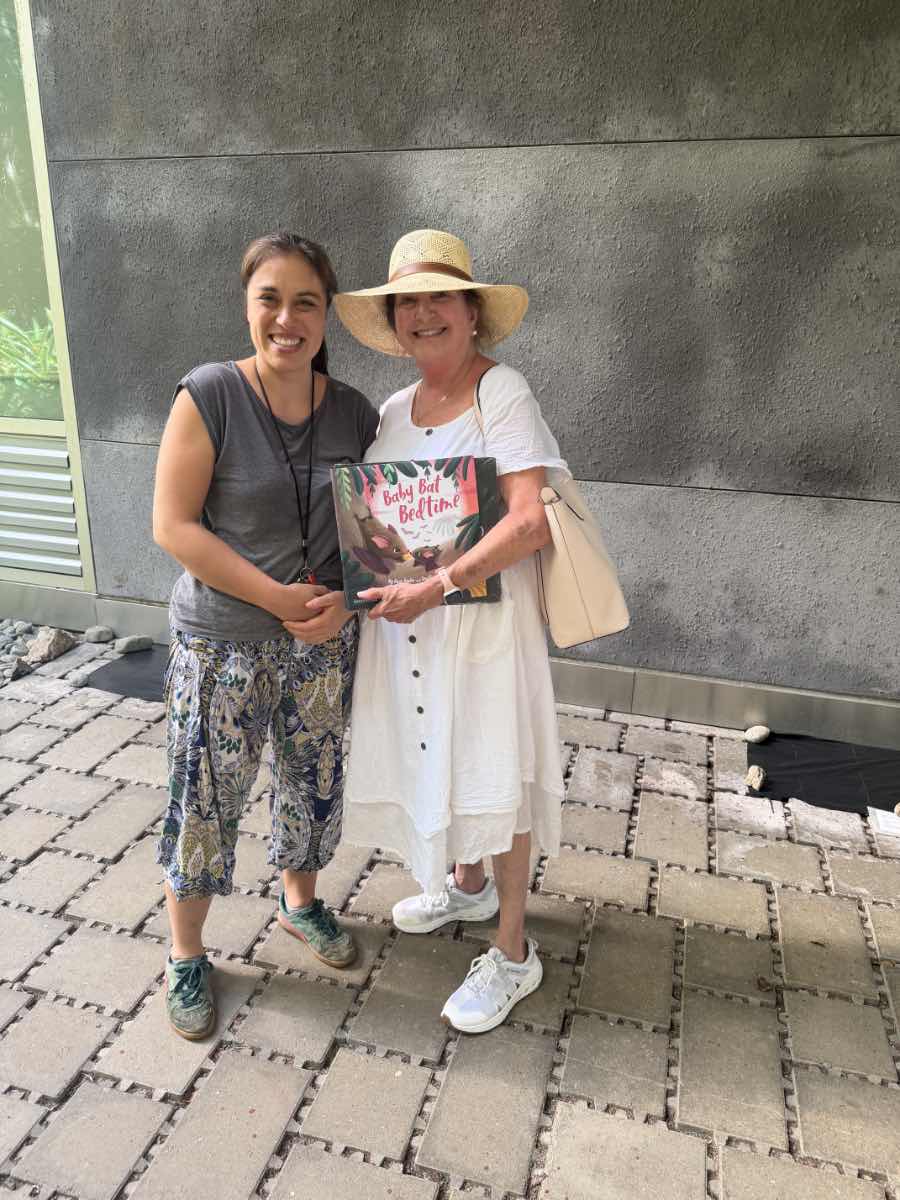
Scientists use repeatable methods, compare observations and explain uncertainty. You can practice those same skills.
Explore this topic →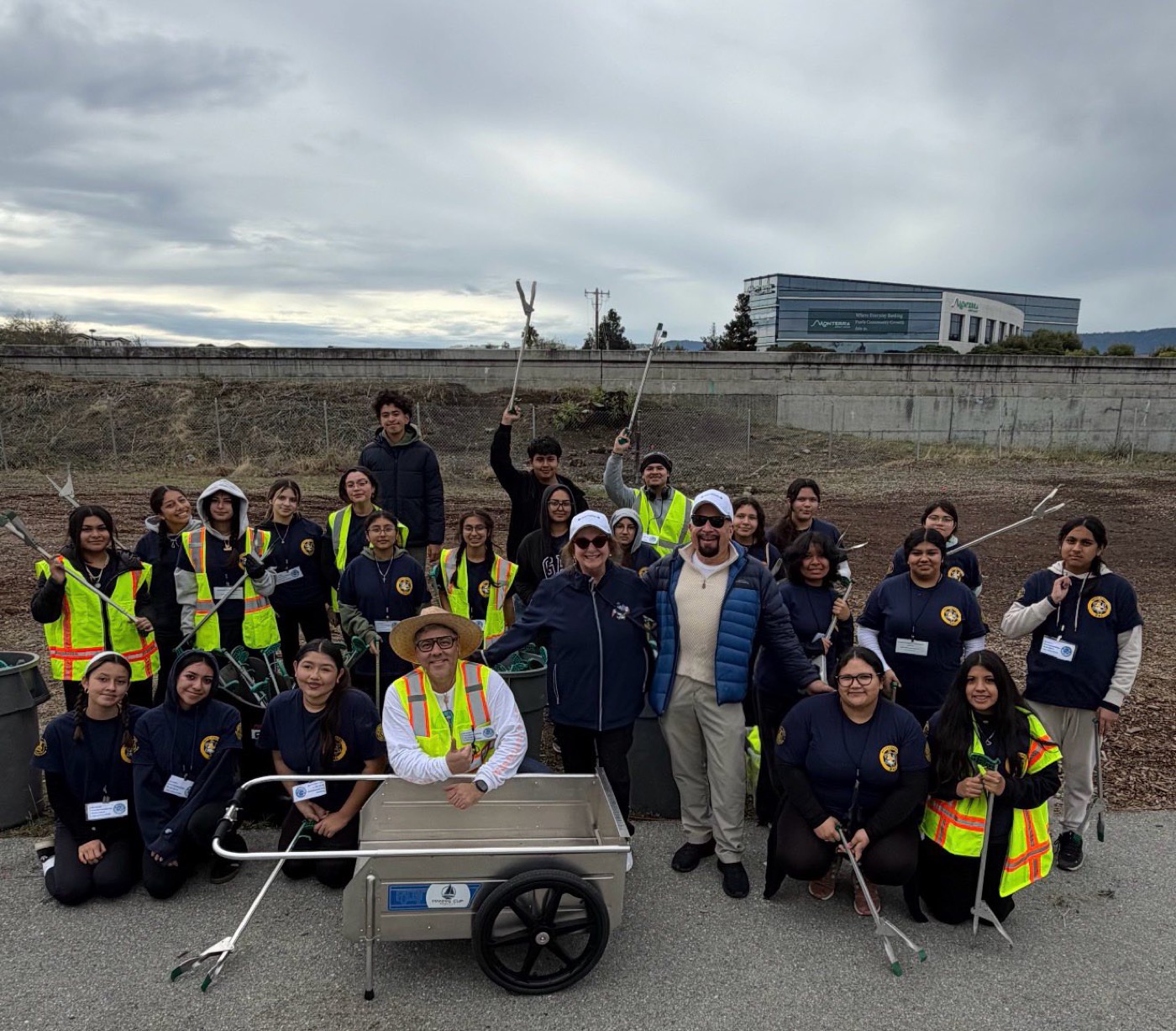
A public hearing brings evidence and different needs into a shared decision. Learn how to compare proposals fairly.
Explore this topic →Researchers at the Smithsonian Tropical Research Institute study Panama's forests and coastal ecosystems. Their work includes amphibian conservation and the effects of boat traffic on dolphins.
Choose an answer, read the explanation, and try again whenever you like.
Choose an investigation with your teacher. Each has steps, a place to record your thinking and links to the evidence.
Open student activities →It turns out that everyone needs a HERO — even our environment. Every gift supports research, rainforest protection, marine justice, and free resources for students.
Donate today