A deteriorating dock in California and a standing rainforest in Panama may seem like different conservation stories. In Ted Hannig’s work, they share a question: what does it take to turn concern for a place into lasting protection?
Through HERO, that question connects legal advocacy, land stewardship, research and education. The work reaches from San Francisco Bay’s waterfront to the forests and coastal habitats of Bocas del Toro.
A family connection to service
HERO honors Frank and Theresa Hannig. Frank was a marine environment enthusiast and international scuba diver who served his community in many roles. Theresa was an educator. Their interests in the water, learning and public service remain part of the organization’s purpose.
Ted’s professional background brings another set of tools. His law firm’s biography describes a career in real estate, business and litigation, alongside interests in rainforest preservation, coral-reef restoration and community service in Central America. Ted’s professional biography.
California: turning public responsibilities into action
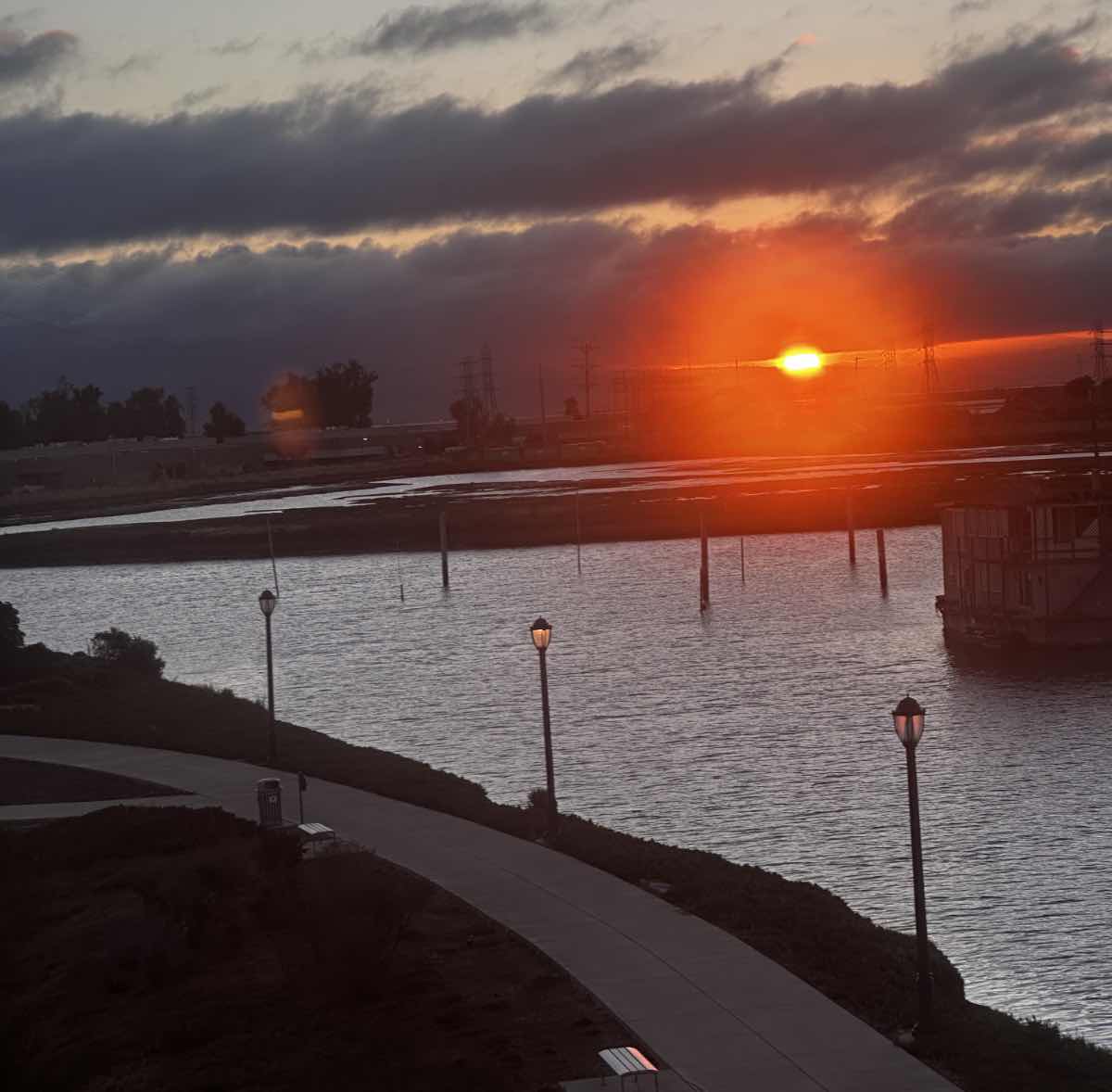
HERO’s Marine Justice work focuses on the responsibilities that come with using public waterfront lands. At Docktown Marina in Redwood City, those concerns led to litigation and, in June 2025, a settlement between HERO and the City.
The City’s announcement confirms that residential uses had ended, that the parties would sponsor a joint shoreline cleanup, and that future public uses would be considered through a public visioning process. No money changed hands in the settlement, and each side paid its own legal costs. The City denied HERO’s allegations; the agreement resolved the case rather than providing a court ruling on those claims. Redwood City’s settlement announcement.
Panama: protecting a place and supporting the people who study it
In Bocas del Toro, the work centers on nearly 100 acres of mainland rainforest and the coastal ecosystems around it. A December 2021 account in The Bocas Breeze reported Ted’s donation of rainforest land for permanent ecological preservation, describing the result of years of stewardship. The 2021 conservation report.
HERO’s present-day preserve and Casa de Theresa have distinct roles. The preserve protects mainland forest. Casa occupies its own 20-acre property on Isla Cristóbal, about 10 minutes away by boat, providing a field station for work in the region. Keeping the properties distinct makes it easier to understand how conservation and research fit together.
The questions extend onto the water: how runoff affects reefs, how environmental conditions change, and how boat activity affects the resident dolphins of Dolphin Bay. Ted’s proposal for a dolphin observation station reflects a broader interest in gathering useful evidence and supporting responsible behavior around wildlife.
Research, education and advocacy working together
For HERO, stewardship involves more than protecting land or concluding a legal case. It means maintaining relationships, helping researchers ask good questions and making findings understandable to the people who live in or visit these places.
Courts, field stations and classrooms have different roles. Together, they can help carry a commitment to the environment into practical work: protecting habitat, improving care for public waters and sharing what people learn along the way.
Prepared from HERO’s program information and material supplied by Ted Hannig, with professional and historical sources linked above.